 The Banerji Protocols
 Emergency Kit
 Help
Help Blogs
Blogs
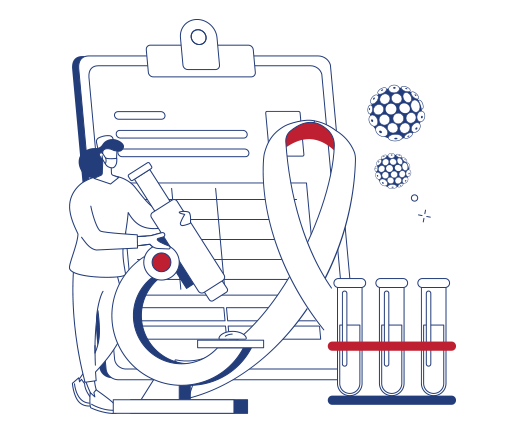
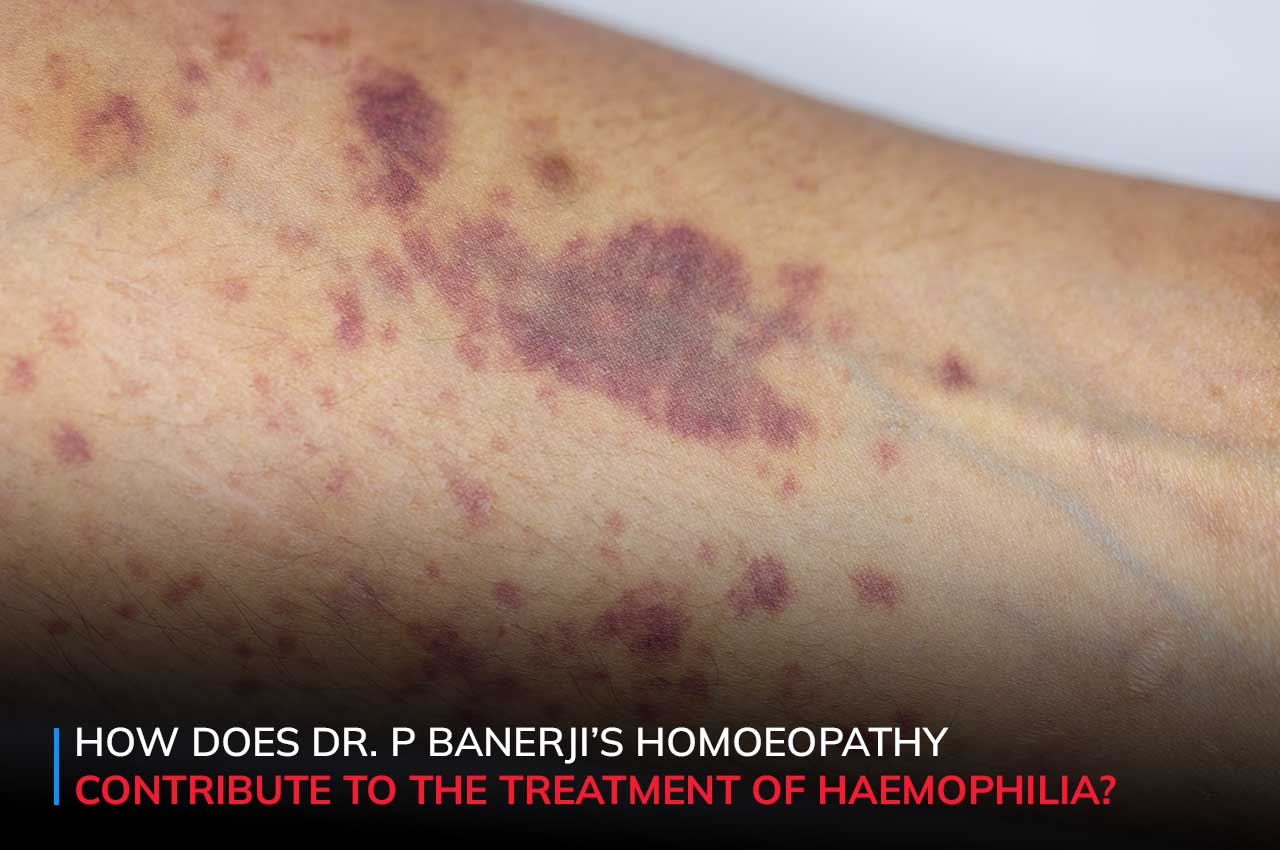
Haemophilia disease is rare yet dangerous and affects the way blood clotting happens. Our body typically uses platelets and clotting mechanisms to control bleeding after an accident or cut. In people suffering from haemophilia, clotting factor is either missing or present in very low levels. Due to this, bleeding lasts much longer than usual, and in some cases, bleeding can also happen internally without any visible wound.
There are two types of haemophilia disease:
The symptoms of haemophilia are dependent on how serious the condition is. Someone with a mild form may only notice it after a surgery, tooth extraction or a major injury. But in moderate to severe cases, the symptoms often show up, much earlier. Children might bruise easily from small bumps, get frequent nosebleeds or bleed longer than normal after vaccination or minor cuts. Internal bleeding is one of the biggest concerns, especially when it happens in joints and muscles. Swelling, stiffness, pain and irreversible joint damage can be some symptoms of this. In extreme situations, bleeding may start abruptly inside critical organs, such as the brain. Internal bleeding of this type can be fatal and needs immediate medical care.
In most cases, haemophilia is a genetic condition that runs in families. It’s passed down through what’s called an X-linked pattern of inheritance. The faulty gene stays on the X chromosome. Since men have one X and one Y chromosome, if their single X carries the mutation, they will develop the disease. Women have two X chromosomes, so even one carries the mutation, the other one makes up for it. This is why women are mostly carriers rather than being patients. A carrier mother has 50% chances of transferring the gene to her children. If she has a son, there is a half a chance that he’ll be born with haemophilia. If she has a daughter, she has a 50% chance that the daughter can become a carrier.
In some families, haemophilia can appear without any previous history. This happens because of a spontaneous genetic mutation. Besides inherited cases, there’s also a rare condition called acquired haemophilia. Unlike the inherited one, this develops later in the future.
The primary reason for haemophilia is mutation in the F8 or F9 gene. Very little or no clotting factors are produced in the body when they are not working properly. Haemophilia’s severity depends on the number of clotting factors present. For example, severe haemophilia is experienced by a person with 1% of the clotting activity whereas a milder condition is experienced by those with 5 to 40% clotting activity.
Inherited haemophilia involves faulty genes passed down from parents to children through the X chromosome. In contrast, acquired haemophilia develops in a different way. In this uncommon variety, the body’s own clotting proteins are mistakenly attacked by the immune system, which stops them from functioning. Because it comes on unexpectedly, it can be especially dangerous if it isn’t diagnosed and treated quickly.
In conventional medicine, haemophilia is usually treated with clotting factor replacement therapy. This involves injecting the missing clotting factor directly into the bloodstream. For many people, this treatment is life saving but it also comes with challenges. The infusion needs to be given regularly, but in some cases, the body starts resisting the replacement factors, making them less effective.
Dr. P Banerji’s homoeopathy treatment for haemophilia has another path either as an alternative or as conventional care. The Banerji Protocols, developed through decades of clinical experience,use carefully chosen homeopathic remedies to manage the condition. Instead of replacing clotting factors from the outside, this approach focuses on supporting the body’s natural healing ability and reducing the tendency for uncontrolled bleeding.
The haematology experts at Dr P Banerji Homeopathy Clinic treat all forms of haemophilia, including the most severe ones, using the most recent homeopathic treatment plans as a support therapy. Our drugs are non-invasive, cure symptoms gradually, and guarantee the finest results for patients.
The challenges of living with haemophilia disease are lifelong and necessitate ongoing awareness, close observation, and dependable access to care. By being aware of the signs and knowing the causes of haemophilia, families can seek early diagnosis and appropriate treatment. Dr. P Baneji’s homoeopathy treatment of haemophilia provides a supportive pathway that many patients find beneficial.
FAQs